Singapore Recycling News: Latest Updates, Trends, and What Every Resident Should Know
Keeping up with Singapore Recycling News has become more important than ever. Recycling isn’t just another environmental campaign anymore—it’s part of how Singapore plans to build a cleaner, more sustainable future. New recycling programs, better collection systems, public awareness campaigns, and technology-driven waste management are changing the way households and businesses deal with waste.
If you’ve been wondering what’s happening in Singapore’s recycling industry, you’re in the right place.
Here’s a closer look at the latest developments, ongoing initiatives, and the future of recycling across the country.
Why Recycling Matters More Than Ever in Singapore
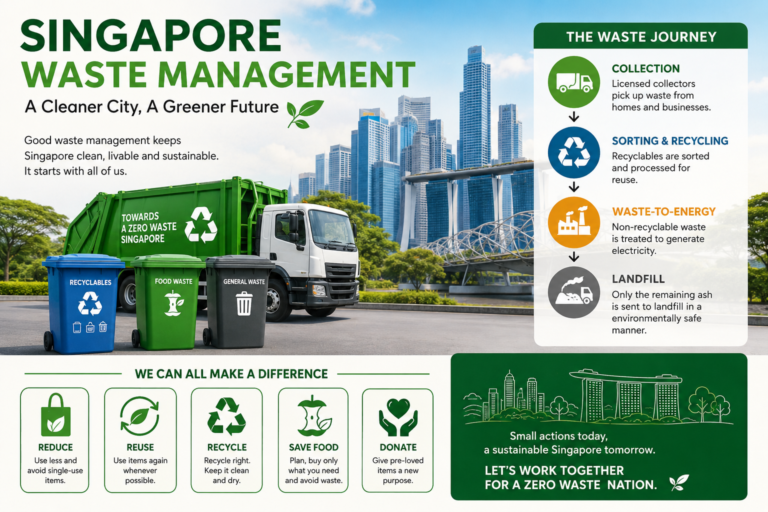
Singapore is a small nation with limited land available for waste disposal. Most of the country’s non-recycled waste ends up at the Semakau Landfill, the nation’s only landfill.
The challenge is simple.
As the population grows and consumption increases, more waste is produced every year. Without higher recycling rates, landfill space will continue to shrink much faster than expected.
That’s why the government, businesses, schools, and local communities are investing more time and resources into recycling efforts.
And honestly… every recycled bottle, cardboard box, or electronic device makes a difference.
Latest Singapore Recycling News You Should Know
The recycling landscape continues to evolve with several important developments.
Better Household Recycling Programs
Residential Singapore Recycling News bins have become more accessible across Singapore.
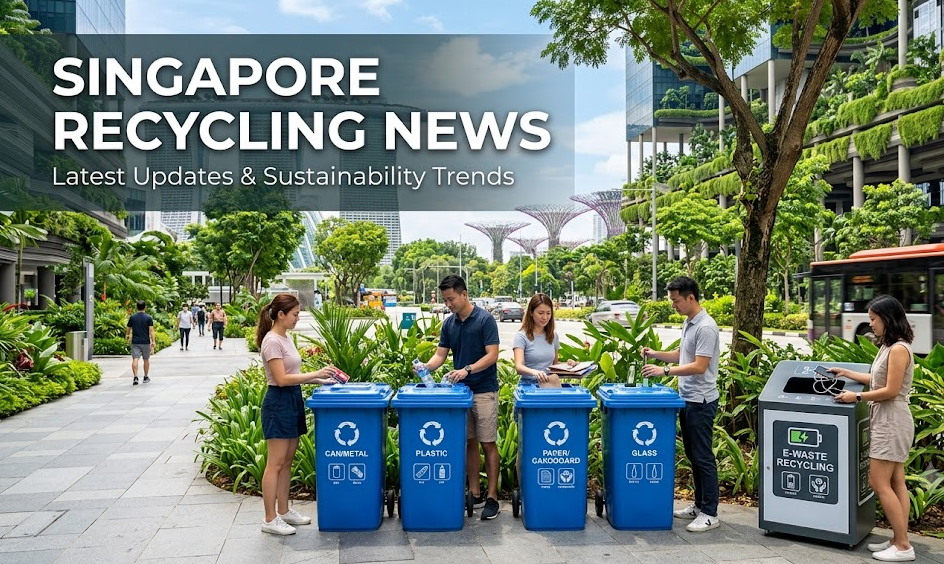
Many HDB estates and private residential developments now have blue Singapore Recycling News bins placed conveniently near homes. Residents are also receiving more educational materials explaining what can and cannot be recycled.
Clearer instructions have helped reduce contamination, which remains one of the biggest challenges in Singapore Recycling News.
Growing Focus on Electronic Waste
Electronic waste, often called e-waste, continues to receive major attention.
Old laptops, phones, batteries, printers, cables, and household electronics should no longer be thrown into regular rubbish bins.
Across Singapore, dedicated e-waste collection points have expanded significantly. Retailers and recycling partners now offer more convenient locations where residents can safely dispose of unwanted electronics.
This has helped prevent valuable materials from ending up in landfills.
Businesses Are Becoming More Sustainable
Many Singapore businesses are improving their recycling practices.
Restaurants are reducing food waste.
Offices are separating paper, plastic, and electronic waste.
Shopping malls are introducing recycling stations for visitors.
Large corporations are also publishing sustainability reports that include recycling targets and waste reduction goals.
These efforts are gradually encouraging smaller businesses to follow the same path.
Plastic Singapore Recycling News Continues to Improve
Plastic waste remains one of Singapore’s biggest environmental challenges.
Not every type of plastic can be recycled efficiently, which is why public education has become such an important focus.
Many campaigns now encourage residents to:
- Rinse food containers before Singapore Recycling News
- Avoid mixing food waste with recyclable materials
- Separate plastic from general rubbish
- Use reusable bags and bottles whenever possible
- Reduce single-use plastics
The message has shifted from simply recycling more to creating less waste in the first place.
Food Waste Recycling Is Receiving More Attention
Food waste represents a significant portion of Singapore’s total waste generation.
Restaurants, hotels, supermarkets, and food manufacturers are introducing systems that recover food waste instead of sending everything to incineration.
Some organizations now convert food waste into compost.
Others use advanced technology to generate energy from organic waste.
Even households are beginning to explore small composting systems where practical.
It’s a growing trend that’s expected to continue over the coming years.
Singapore Recycling News Education Starts Early
Schools across Singapore continue to play an important role in environmental education.
Students participate in activities such as:
- Recycling competitions
- Community clean-up events
- Environmental workshops
- Sustainability projects
- Waste reduction campaigns
Children often bring these habits home, encouraging their families to recycle correctly.
Sometimes they’re the ones reminding parents what belongs in the recycling bin.
Common Recycling Mistakes Still Happen
Despite growing awareness, several common mistakes continue to affect recycling quality.
These include:
Throwing Food Into Recycling Bins
Food contamination can ruin an entire batch of recyclable materials.
Containers should be emptied and cleaned before disposal.
Recycling Dirty Paper
Paper soaked with oil or food cannot usually be recycled.
Pizza boxes with grease stains are a common example.
Mixing General Waste With Recyclables
Items like tissues, diapers, and heavily contaminated packaging belong in general waste—not recycling bins.
Proper sorting helps recycling facilities operate much more efficiently.
Technology Is Changing Singapore’s Recycling Industry
One of the most interesting developments in recent Singapore Recycling News is the growing use of technology.
Artificial intelligence is helping sorting facilities identify recyclable materials faster.
Smart sensors are monitoring recycling bin usage.
Automated systems improve sorting accuracy while reducing contamination.
Digital platforms also allow residents to locate nearby recycling points more easily.
Technology isn’t replacing recycling habits—it simply makes the entire process more effective.
Community Singapore Recycling News Events Continue to Grow
Community-led recycling initiatives have become increasingly popular.
Many neighborhoods organize events where residents can bring:
- Old clothing
- Small household appliances
- Books
- Toys
- Electronic devices
- Recyclable household materials
These events also create opportunities for residents to learn more about sustainable living.
And they often attract families, making environmental awareness a community activity rather than an individual responsibility.
The Future of Recycling in Singapore
Singapore’s long-term sustainability plans continue to focus on reducing waste while increasing recycling efficiency.
Future improvements are expected to include:
- Better recycling technology
- Expanded e-waste collection
- Stronger public education
- Increased producer responsibility
- More circular economy initiatives
- Greater recycling participation among businesses
The goal isn’t simply collecting more recyclable materials.
It’s creating a society where waste is reduced before it’s even produced.
That’s a much bigger shift—and perhaps the most important one.
How Residents Can Support Recycling Efforts
Keeping up with Singapore Recycling News is only the first step.
Daily habits make the biggest impact.
Residents can contribute by:
- Recycling clean paper, plastic, metal, and glass
- Reducing unnecessary packaging
- Choosing reusable products
- Properly disposing of batteries and electronics
- Learning local recycling guidelines
- Encouraging family members to recycle correctly
Small changes repeated every day often create the largest environmental benefits over time.
Frequently Asked Questions
What is the current recycling situation in Singapore?
Singapore continues expanding its recycling infrastructure through improved collection systems, electronic waste programs, community initiatives, and public education campaigns aimed at increasing recycling participation.
Can all plastics be recycled?
No. Only certain plastic types are recyclable. Residents should follow local recycling guidelines and avoid placing contaminated plastics into recycling bins.
Where can I recycle electronic waste in Singapore?
Electronic waste can be dropped off at designated e-waste collection points, participating retailers, and approved recycling partners located across Singapore.
Why is contamination a recycling problem?
Food waste, liquids, and non-recyclable materials can contaminate recyclable items, making them difficult or impossible to process efficiently.
How can I stay updated with Singapore Recycling News?
You can follow environmental agencies, local news websites, sustainability organizations, and community recycling initiatives for the latest updates on recycling policies, collection programs, and environmental campaigns.
Final Thoughts
The latest Singapore Recycling News shows steady progress toward a cleaner and more sustainable future. Better recycling systems, stronger public awareness, expanding e-waste programs, and smarter technology are all helping Singapore manage waste more effectively.
Still, recycling isn’t only about government policies or advanced facilities. It starts with simple choices made at home, at school, and in the workplace.
Every correctly recycled item saves resources. Every reusable product reduces waste. And every informed resident helps move Singapore one step closer to its long-term sustainability goals.
The future of recycling looks promising—and everyone has a role to play.