Singapore Green Buildings: How Sustainable Design Is Shaping the Future of the City
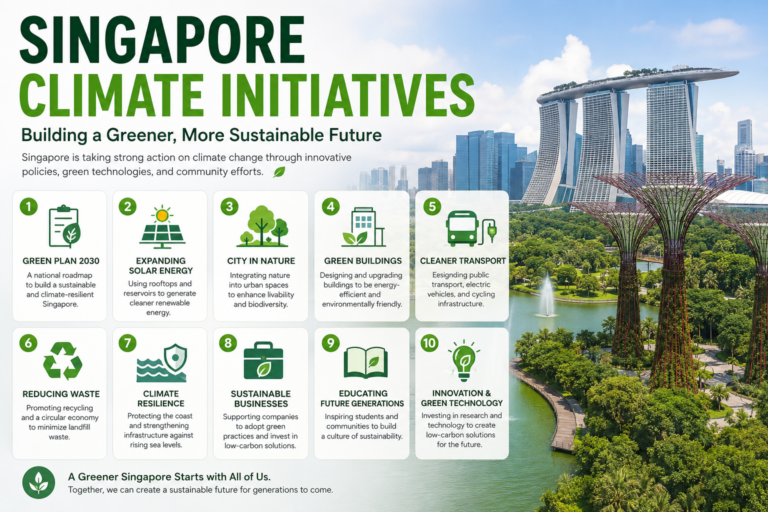
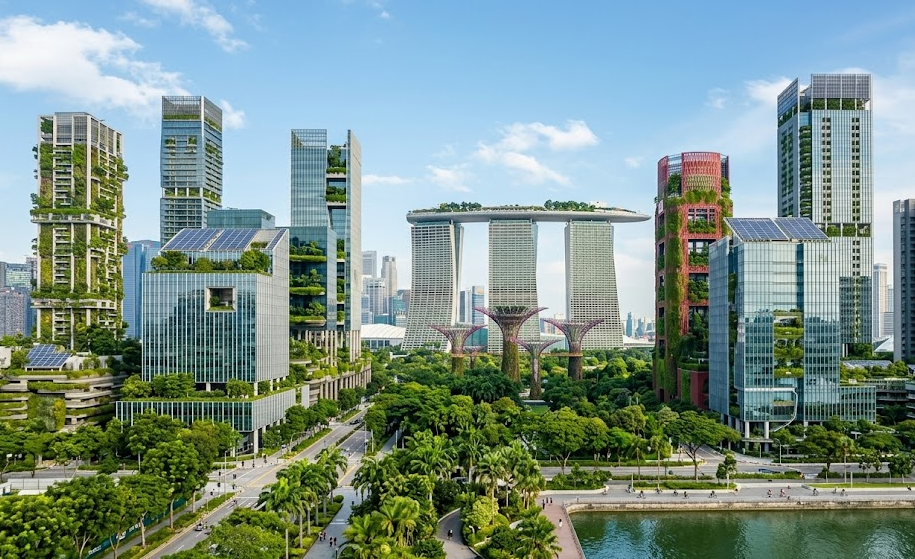
Singapore Green Buildings are no longer just a trend. They’re part of the country’s long-term vision to create a cleaner, healthier, and more sustainable urban environment. From iconic skyscrapers covered in lush greenery to energy-efficient homes and office towers, green buildings are becoming a defining feature of Singapore’s skyline.
Walk around the city, and you’ll notice it almost everywhere. Rooftop gardens. Vertical greenery. Buildings that use less electricity, collect rainwater, and make better use of natural daylight. These features don’t just look impressive—they help reduce environmental impact while creating more comfortable spaces for people.
If you’re curious about how Singapore Green Buildings work, why they matter, and what makes Singapore a global leader in sustainable construction, this guide covers everything you need to know.
What Are Singapore Green Buildings?
Singapore Green Buildings are structures designed, built, and operated to reduce their impact on the environment throughout their lifespan.
That means using fewer natural resources, lowering energy consumption, reducing water waste, and creating healthier indoor environments.
Unlike conventional buildings, green buildings consider sustainability from the very beginning. Every stage matters—from design and construction to maintenance and daily operation.
Some common features include:
- Energy-efficient lighting
- Solar panel systems
- Rainwater harvesting
- Natural ventilation
- Green roofs and sky gardens
- Water-saving fixtures
- Smart building management systems
- Eco-friendly construction materials
The goal isn’t simply to make buildings “look green.” It’s about making them perform better while using fewer resources.
Why Singapore Invests So Much in Green Buildings
Singapore has limited land and natural resources. Because of this, every new development needs to be planned carefully.
Buildings account for a large share of energy use in cities. By improving building efficiency, Singapore can reduce carbon emissions while supporting economic growth.
The government has also introduced ambitious sustainability goals that encourage developers to build greener properties instead of relying on older construction methods.
This approach benefits everyone.
Residents enjoy lower utility costs.
Businesses reduce operating expenses.
Developers create properties that remain valuable for decades.
And the city moves closer to its climate targets.
It’s a win from several angles.
Key Features of Singapore Green Buildings
Every green building is different, but many share similar sustainability features.
Energy Efficiency
Energy efficiency is often the biggest priority.
Buildings use LED lighting, motion sensors, efficient air-conditioning systems, and automated controls that reduce unnecessary electricity usage throughout the day.
Some buildings even monitor energy consumption in real time, allowing managers to identify areas where energy can be saved.
Green Spaces
One thing Singapore is famous for…
Greenery everywhere.
Modern buildings often include rooftop gardens, vertical plants, landscaped terraces, and open green spaces that help reduce heat while improving air quality.
These areas also make offices and residential buildings more pleasant for occupants.
Water Conservation
Water-saving technology plays a major role.
Many Singapore Green Buildings include:
- Rainwater collection systems
- Low-flow taps
- Water-efficient toilets
- Smart irrigation systems
- Water recycling technology
These features reduce overall water consumption without affecting comfort.
Smart Building Technology
Technology makes modern buildings much more efficient.
Smart sensors automatically adjust:
- Lighting
- Temperature
- Ventilation
- Energy usage
- Security systems
Instead of running everything at full capacity all day, buildings only use the resources they actually need.
Sustainable Building Materials
Developers increasingly choose environmentally friendly construction materials.
This may include recycled steel, certified timber, low-carbon concrete, and materials produced with reduced environmental impact.
Choosing better materials helps lower emissions before a building even opens.
Famous Examples of Singapore Green Buildings
Singapore has many internationally recognised sustainable buildings.
Some well-known examples include:
Marina One
Marina One combines office space, residences, retail, and large indoor gardens within a single development.
Its central green heart helps improve airflow while creating a cooler environment for visitors and occupants.
CapitaSpring
CapitaSpring features sky gardens, energy-efficient systems, and extensive greenery integrated throughout the building.
The project shows how high-rise developments can still provide natural spaces within busy urban areas.
PARKROYAL COLLECTION Pickering
This hotel has become one of Singapore’s most photographed green buildings.
Its dramatic sky gardens, cascading plants, and sustainable design have received international recognition while reducing energy and water consumption.
Oasia Hotel Downtown
Instead of covering the building with glass, Oasia Hotel Downtown uses thousands of climbing plants that naturally cool the structure while creating habitat for birds and insects.
It’s a striking example of architecture working together with nature.
Benefits of Singapore Green Buildings
Green buildings offer advantages that go far beyond environmental protection.
Lower Energy Bills
Efficient systems reduce electricity use, lowering long-term operating costs for businesses and homeowners.
Healthier Indoor Environment
Improved ventilation, better air quality, natural daylight, and reduced indoor pollutants help create healthier living and working spaces.
People often report feeling more comfortable and productive inside well-designed green buildings.
Better Property Value
Sustainable buildings continue attracting buyers and tenants.
Many investors see green-certified properties as stronger long-term investments because operating costs remain lower and demand continues growing.
Reduced Environmental Impact
Lower carbon emissions, reduced waste, and efficient resource management all contribute to a cleaner urban environment.
Every efficient building adds up.
And across an entire city, those savings become significant.
The Role of Green Building Certification
Singapore has developed one of the world’s leading building sustainability certification systems.
Developments are evaluated across multiple categories including:
- Energy performance
- Water efficiency
- Indoor environmental quality
- Sustainable materials
- Environmental management
- Innovation
Certification encourages developers to keep improving building performance instead of meeting only minimum standards.
As standards evolve, buildings become even more efficient.
Challenges of Green Building Development
Although the benefits are clear, green construction still presents some challenges.
Initial construction costs can sometimes be higher because sustainable technologies require additional investment.
Building owners also need proper maintenance to ensure energy-saving systems continue operating efficiently.
Retrofitting older buildings can be complex as well.
But over time, lower operating costs often offset much of the initial investment.
That’s one reason many developers continue choosing sustainable designs despite higher upfront expenses.
The Future of Singapore Green Buildings
Singapore continues pushing towards a more sustainable built environment.
Future buildings are expected to become even smarter through artificial intelligence, advanced energy monitoring, renewable energy integration, and improved construction methods.
New technologies may allow buildings to generate more of their own energy while reducing dependence on external resources.
You’ll likely see more vertical forests.
More rooftop farms.
More carbon-efficient materials.
And buildings that actively contribute to improving the surrounding environment instead of simply reducing harm.
The city has already made impressive progress, but the journey is far from over.
Final Thoughts
Singapore Green Buildings have become an important part of the country’s vision for a sustainable future. They reduce energy consumption, conserve water, improve indoor comfort, and create healthier urban spaces for everyone.
What’s especially impressive is that sustainability hasn’t limited architectural creativity. If anything, it’s inspired some of Singapore’s most iconic developments.
As technology advances and environmental awareness continues growing, green buildings will play an even bigger role in shaping the city. Whether you’re a homeowner, business owner, investor, or simply someone interested in sustainable living, understanding Singapore Green Buildings offers valuable insight into how modern cities can grow responsibly while protecting the environment for future generations.